
Can a simple houseplant really make your home feel more abundant?
In Feng Shui, certain plants have long been associated with wealth, prosperity, growth, good fortune, and positive energy.
From the coin-like leaves of the Chinese Money Plant to the braided stems of the Money Tree, these plants aren’t chosen only because they look beautiful. Their shapes, growth patterns, and cultural symbolism have made them popular choices for people who want to create a home that feels more balanced, vibrant, and abundant.
And here’s the interesting part: not every “money plant” has the same meaning.
Some symbolize steady financial growth. Others represent good fortune, generosity, protection, or expansion. So if you’re looking for a Feng Shui money plant for your home, understanding what each one represents can help you choose one that feels right for your space.
Let’s explore 9 of the best Feng Shui money plants, along with where to place them and what their symbolism means.
What Is a Money Plant?
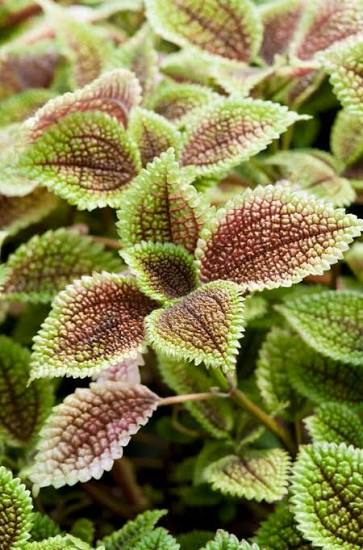
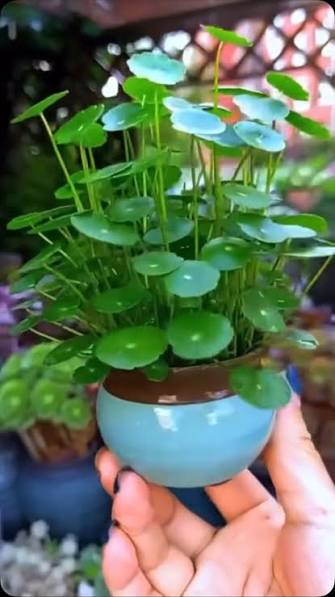
“Money plant” or “money tree” isn’t actually the name of one specific plant. The term is commonly used for several different species from around the world.
Some have round, coin-like leaves, while others have become associated with wealth and good fortune through cultural traditions and Feng Shui practices.
These plants are often used as indoor houseplants because they combine attractive foliage with symbolism connected to wealth, abundance, growth, and positive energy.
In Feng Shui, however, the plant itself isn’t the whole story. Where you put it, how healthy it is, and how it interacts with the rest of your space can all influence how you use its symbolism.
A healthy, thriving plant is always a better choice than one struggling in an unsuitable location.
Why Are Plants Used in Feng Shui?
[IMAGE: Lush indoor plants in a bright, peaceful Feng Shui-inspired living room]
Plants have an important place in Feng Shui because they bring the energy of nature and the wood element into our homes.
The wood element is traditionally associated with qualities such as:
- Growth
- Vitality
- Flexibility
- Renewal
- Kindness
- New beginnings
Modern life often keeps us indoors for much of the day, so adding living plants can create a stronger visual connection with nature.
There is also something naturally uplifting about caring for a living thing and watching it grow. A new leaf, a fresh shoot, or a thriving plant can become a simple daily reminder of progress and renewal.
This is one reason money plants are so popular in abundance-focused interiors. Their symbolism isn’t only about money—it can also represent the idea of nurturing something until it grows.
9 Best Feng Shui Money Plants for Wealth & Prosperity
[IMAGE: Nine different money plants styled beautifully together in a modern home]
Looking to bring a little more prosperity symbolism into your home?
These nine money plants each have their own personality and meaning. Some are associated with wealth because their leaves resemble coins, while others represent growth, good fortune, positive energy, or abundance.
1. Pilea Peperomioides (Chinese Money Plant)
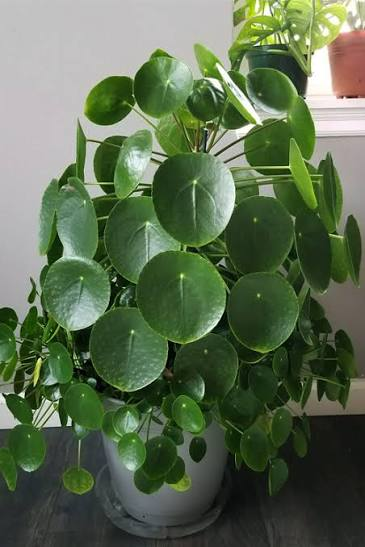
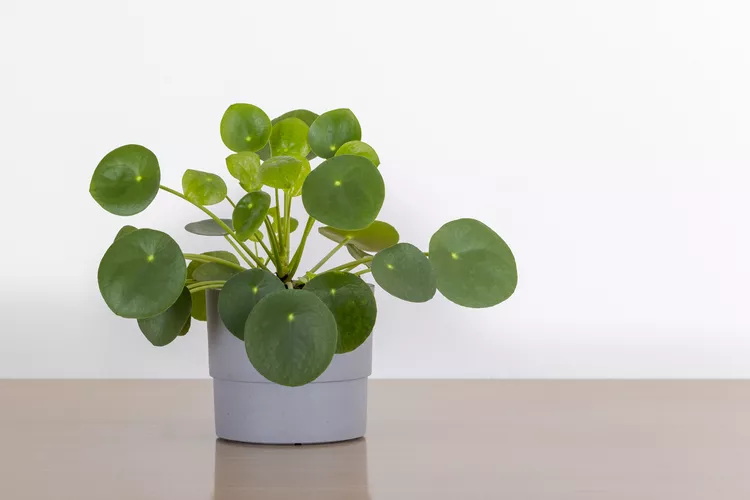
If you’re looking for a houseplant that practically looks like a collection of coins, Pilea peperomioides, commonly known as the Chinese Money Plant or Coin Plant, is a natural choice for a Feng Shui-inspired home.
Its distinctive round, glossy leaves are often associated with coins and financial abundance, making it one of the most recognizable plants linked with wealth and prosperity.
Beyond its symbolism, Pilea is also relatively easy to care for, making it a great option for beginners. Place it somewhere with bright, indirect or medium light, and avoid keeping its soil constantly waterlogged.
One of the most charming things about Pilea is how easily it produces baby plants, or “pups,” around its base.
And that creates a beautiful connection with the idea of abundance.
When your Pilea produces new plant babies, consider propagating them and sharing them with friends or family. In the symbolism of Feng Shui, generosity and sharing what you have can be just as meaningful as accumulating more.
So rather than simply keeping the wealth to yourself, let your Pilea become a reminder to grow, share, and spread abundance.
Feng Shui meaning: Sharing, generosity, growth, and abundance.
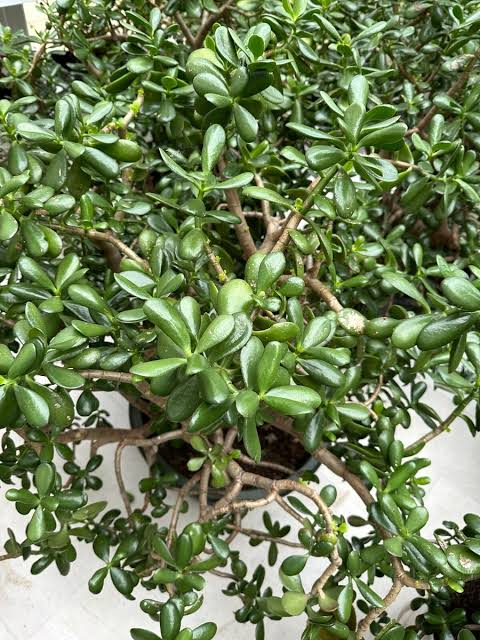
2. Jade Plant (Crassula ovata)
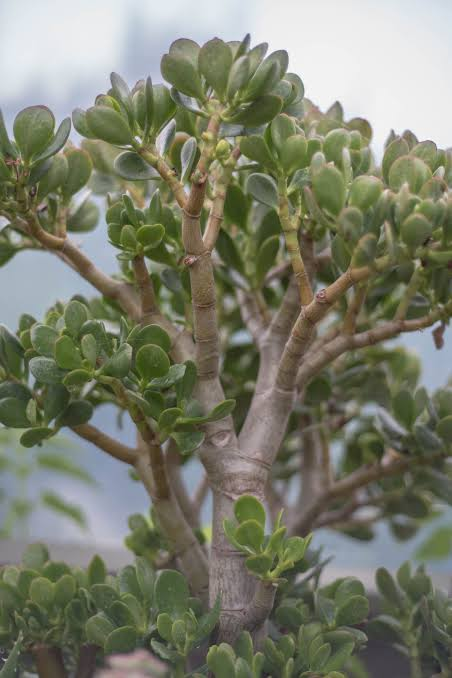
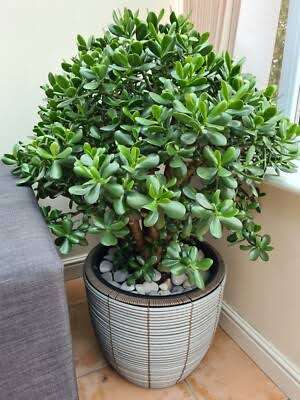
The Jade Plant (Crassula ovata) is one of the most popular plants associated with good luck, prosperity, and financial abundance.
With its plump, glossy leaves and tree-like growth, this long-lived succulent makes an attractive addition to a Feng Shui-inspired home.
Some jade varieties have rounded leaves that resemble coins, reinforcing their traditional connection with wealth. Their gradual, steady growth can also be seen as a symbol of slowly building and accumulating prosperity over time.
And perhaps that’s what makes the Jade Plant’s symbolism particularly appealing: wealth doesn’t always have to arrive overnight.
For healthy growth, give your Jade Plant plenty of bright light, ideally near a sunny window. Allow the soil to dry between waterings, as excessive moisture can cause problems for this succulent.
The plant’s name also adds another layer of symbolism. Its leaves are said to resemble the precious jade gemstone, which has long been associated with good fortune, longevity, and positive energy.
A thriving Jade Plant therefore becomes a beautiful symbol of steady growth, patience, good luck, and long-term prosperity.
Feng Shui meaning: Steady growth, wealth, good fortune, and longevity.
3. Money Tree (Pachira aquatica)
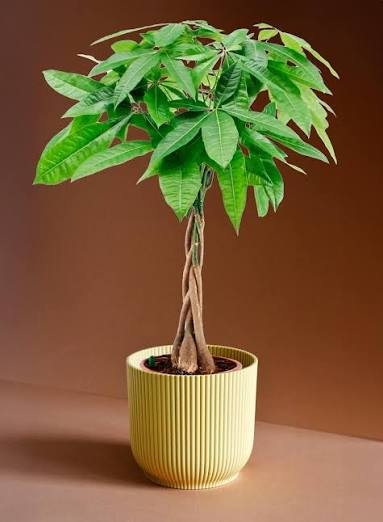
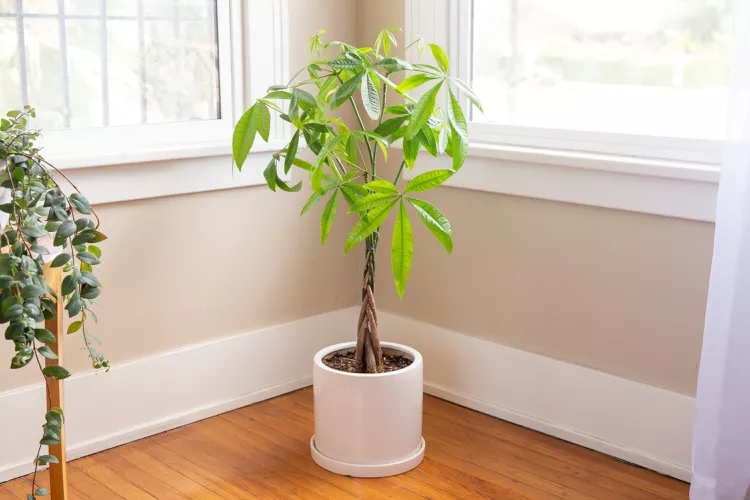
Few plants are as instantly recognizable when it comes to Feng Shui wealth and good fortune as the Money Tree (Pachira aquatica).
With its lush green foliage and distinctive braided trunk, this tropical houseplant is traditionally used to symbolize prosperity, growth, and positive financial energy.
The braided stems are particularly interesting. Their intertwined appearance is often associated with connection, unity, and longevity, making the Money Tree more than just a decorative plant.
Different numbers of stems can also have symbolic meanings in some Feng Shui traditions. For example, three stems may be associated with new beginnings, while five stems can represent the five elements.
The Money Tree is also relatively adaptable indoors and can tolerate lower-light conditions, although it generally prefers bright, indirect light.
If the leaves begin turning yellow, take it as a signal to reassess its growing conditions, particularly its light and watering routine.
Whether you choose it for its symbolism or simply love its sculptural appearance, the Money Tree can bring a striking sense of growth, connection, and abundance into your home.
Feng Shui meaning: Prosperity, connection, longevity, and growth.
4. Golden Pothos (Epipremnum aureum)
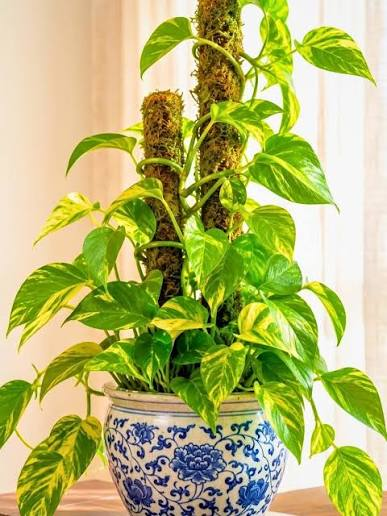
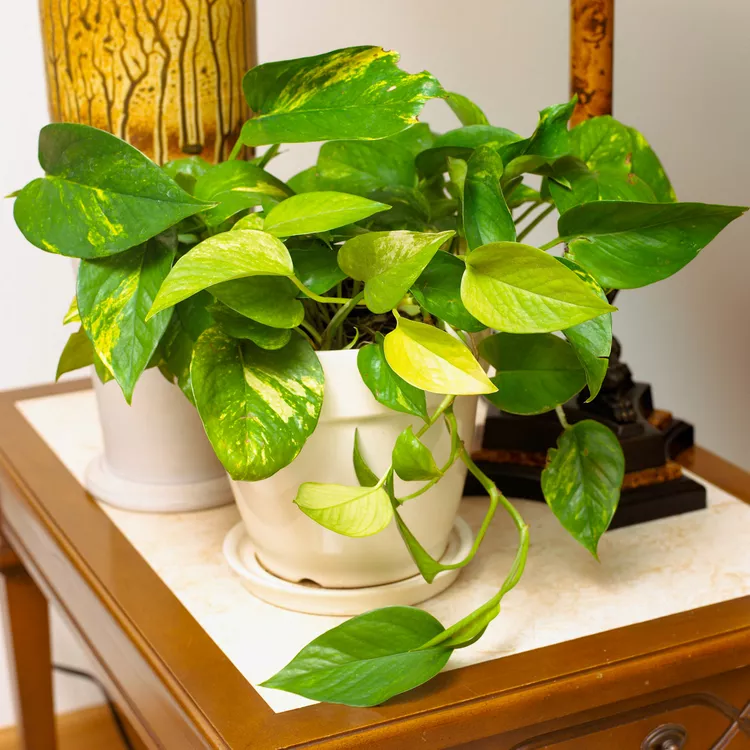
With its heart-shaped leaves and cascading golden-green vines, Golden Pothos (Epipremnum aureum) is one of the easiest ways to bring lush greenery and a sense of movement into your home.
Its vigorous trailing growth is often associated with continuous growth, abundance, and positive energy.
Golden Pothos prefers bright, indirect light, although it can adapt to lower-light conditions. Allow the soil to dry somewhat between waterings rather than keeping it constantly wet.
Its long vines make this plant especially versatile. Place it on a shelf, allow it to trail from a hanging planter, or use it to soften an otherwise empty corner.
In Feng Shui-inspired interiors, its flowing vines can also be used to visually frame or define an area of your home.
The result is a money plant that isn’t just associated with wealth—it visually reinforces the idea of growth that keeps moving forward.
Feng Shui meaning: Flowing growth, abundance, movement, and positive energy.
Pet note: Golden Pothos is toxic to cats and dogs.
5. Swiss Cheese Plant (Monstera)
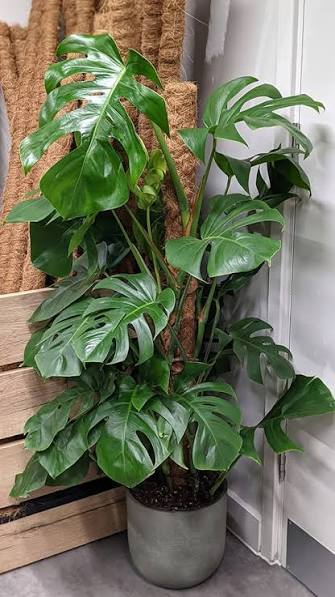
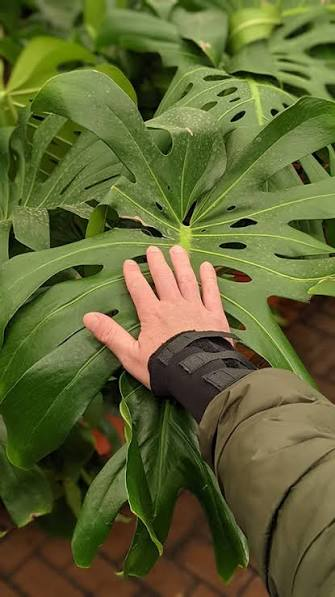
If you want a money plant with serious visual impact, the Swiss Cheese Plant (Monstera) is hard to overlook.
Several Monstera species are commonly associated with money plants, including Monstera adansonii, Monstera deliciosa, and Monstera obliqua.
Unlike plants whose wealth symbolism comes primarily from coin-shaped leaves, Monstera is often associated with growth, upward energy, expansion, and abundance.
Its tendency to climb, spread, and reach upward makes it a natural symbol for moving forward and expanding your opportunities.
For healthy growth, place your Monstera in bright, indirect light and avoid overwatering. Allow the soil to dry somewhat between waterings to help reduce the risk of root problems.
Its large, dramatic leaves can also make it an excellent focal point in a living room, office, or other spacious area.
If you’re looking for a Feng Shui money plant that represents ambition, expansion, and upward growth, Monstera is a standout choice.
Feng Shui meaning: Expansion, upward growth, abundance, and vitality.
Pet note: Monstera plants are toxic to cats and dogs.
6. Silver Satin Pothos (Scindapsus pictus)
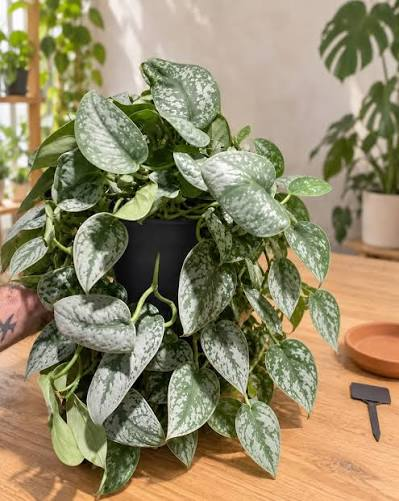
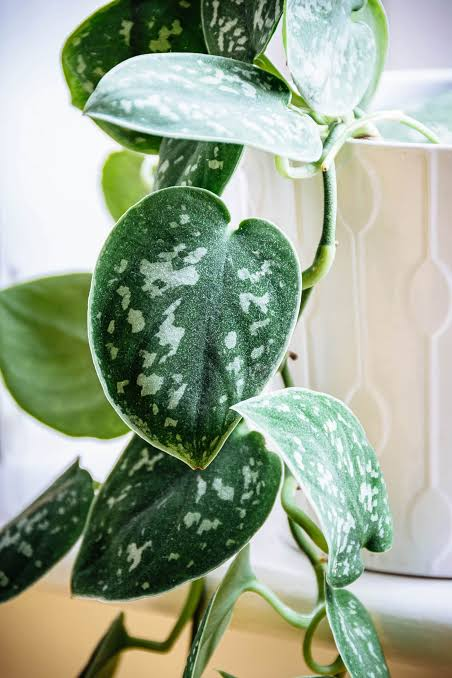
Elegant, unusual, and beautifully patterned, Silver Satin Pothos (Scindapsus pictus) brings a touch of sophistication to a Feng Shui-inspired home.
Also known as the Silver Money Plant, this climbing vine has velvety green leaves decorated with distinctive silver markings.
Unlike money plants whose symbolism focuses mainly on financial growth, Silver Satin is traditionally associated with positive energy and protection from negative energy.
Its trailing and climbing growth also introduces movement and natural texture into your space, making it especially attractive on shelves, hanging planters, or climbing supports.
For healthy growth, give it bright, indirect light or bright shade and allow the soil to dry somewhat between waterings. During spring and summer, occasional feeding can support lush new growth.
If you want a money plant that feels a little more sophisticated and understated, Silver Satin Pothos offers a beautiful combination of positive energy, harmony, and elegant foliage.
Feng Shui meaning: Positive energy, harmony, protection, and balance.
Pet note: Silver Satin Pothos is toxic to cats and dogs.
7. Silver Dollar Vine (Xerosicyos danguyi)
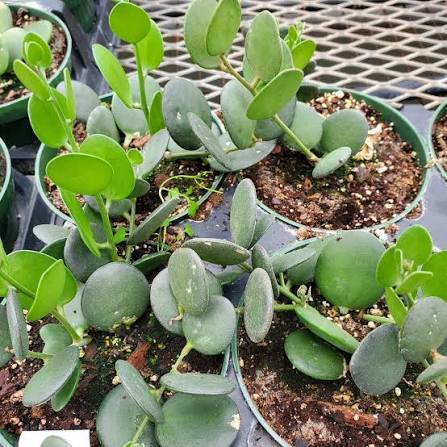
With its distinctive round, silver-green leaves, the Silver Dollar Vine (Xerosicyos danguyi) looks almost like a string of miniature coins growing from a vine.
It’s easy to see why this unusual succulent has become associated with wealth, prosperity, and financial abundance.
The plant’s coin-like leaves give it one of the strongest visual connections to money on this entire list. Its climbing growth can also represent continued progress and expanding opportunities.
Unlike many tropical houseplants, Silver Dollar Vine prefers warm, sunny, and relatively dry conditions. A bright, sunny windowsill is ideal, and the soil should be allowed to dry between waterings.
Because it is a succulent, too much moisture can be more problematic than occasional dryness.
If you’re searching for a money plant that’s a little less common, Silver Dollar Vine combines coin-shaped foliage, distinctive beauty, and prosperity symbolism in one unusual package.
Feng Shui meaning: Wealth, prosperity, financial growth, and expanding opportunities.
8. Lucky Bamboo (Dracaena sanderiana)
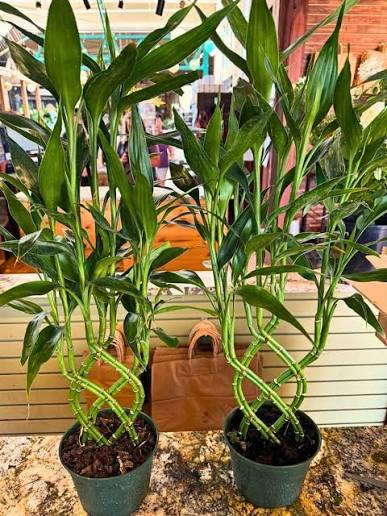
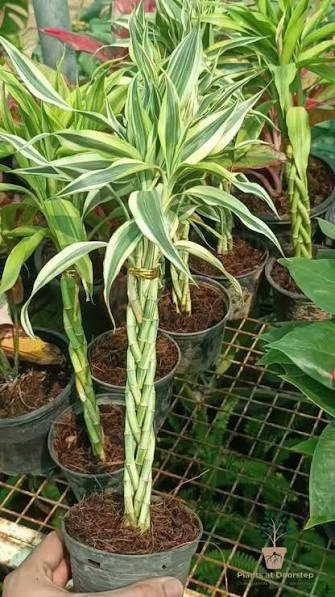
Few plants are as closely associated with Feng Shui luck and prosperity as Lucky Bamboo.
Despite its name, Lucky Bamboo (Dracaena sanderiana) isn’t actually bamboo. It’s a tropical perennial whose slender, segmented stems simply resemble bamboo.
In Feng Shui tradition, Lucky Bamboo is valued as a symbol of good fortune, growth, harmony, and abundance.
Its upright stems naturally grow toward the light, making them a fitting representation of progress and positive upward energy.
One of the most fascinating things about Lucky Bamboo is the symbolism associated with the number of stalks. Different arrangements can represent different intentions, making the plant particularly popular as a housewarming or celebratory gift.
Lucky Bamboo is also relatively easy to maintain. Keep it in bright, indirect light and provide clean water. If you’re growing it in water, distilled or pure spring water can help avoid problems associated with certain chemicals found in tap water.
With its elegant form and rich symbolism, Lucky Bamboo is an easy way to introduce a sense of luck, harmony, and positive energy into your home.
Feng Shui meaning: Good fortune, harmony, luck, growth, and abundance.
Pet note: Lucky Bamboo is a Dracaena and is toxic to cats and dogs.
9. Marble Queen Pothos (Epipremnum aureum ‘Marble Queen’)
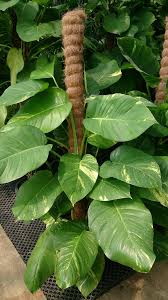
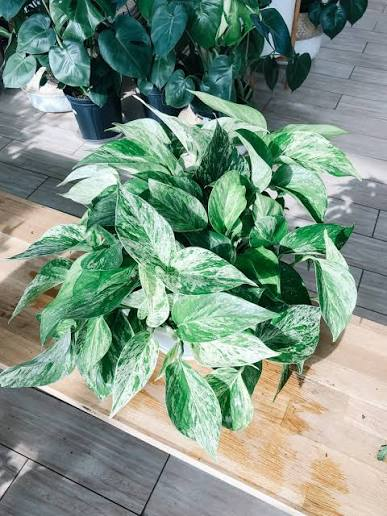
For a money plant that combines elegant looks with prosperity symbolism, Marble Queen Pothos is a beautiful choice.
Its heart-shaped leaves feature distinctive splashes of white and creamy green, creating a marbled pattern that makes this trailing houseplant stand out.
In Feng Shui-inspired spaces, Marble Queen Pothos is associated with prosperity, abundance, and positive growth. Its lush, spreading vines can symbolize continued expansion, while its vibrant foliage brings a refreshing touch of nature indoors.
To maintain its striking variegation, place Marble Queen Pothos in bright, indirect light. Too little light can cause the leaves to lose some of their beautiful cream-and-green patterning, while harsh direct sunlight can scorch the foliage.
Allow the soil to dry somewhat between waterings rather than keeping it constantly damp.
With its luxurious-looking foliage and easygoing nature, Marble Queen Pothos makes a fitting final addition to this collection of Feng Shui money plants for wealth and abundance.
Feng Shui meaning: Abundance, prosperity, growth, and positive energy.
Pet note: Marble Queen Pothos is toxic to cats and dogs.
Best Locations for Money Plants in Feng Shui
[IMAGE: Stylish living room showing several thoughtfully positioned money plants]
Choosing the right spot for your money plant isn’t only about Feng Shui—it’s also about keeping the plant healthy and thriving.
Even the most traditionally auspicious location won’t help if your plant is struggling because it doesn’t have enough light or is being overwatered.
Start with the individual plant’s care requirements, then find a location that provides the appropriate light, temperature, humidity, and airflow.
Office or Workspace

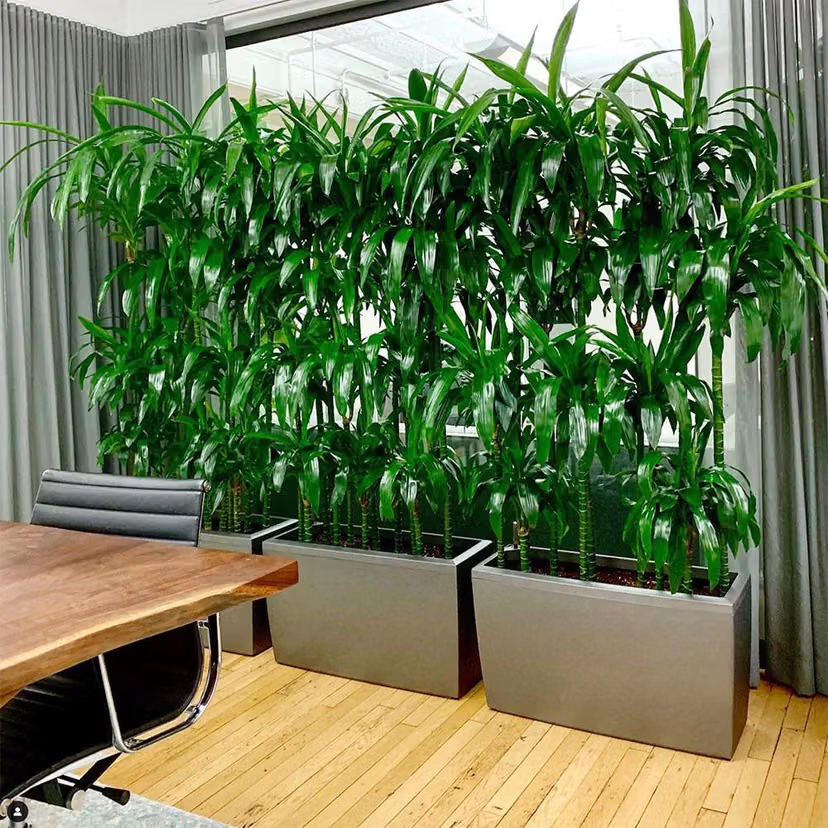
Your home office or workspace can be an excellent place for a money plant, particularly if you’re drawn to Feng Shui symbolism around career growth, financial opportunities, and abundance.
Try placing a small plant on your desk, a nearby shelf, or in a corner of your workspace.
Beyond its symbolism, having greenery nearby can make a workspace feel more inviting and connected to nature.
For a desk plant, however, choose a variety that suits the amount of natural light available rather than choosing one based solely on its Feng Shui meaning.
Bedroom

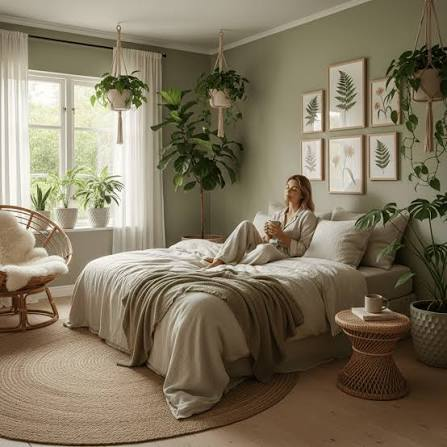
A money plant can also add a beautiful natural touch to the bedroom.
In Feng Shui, the bedroom is closely connected with your personal energy and wellbeing, so some people choose plants here as symbols of growth, renewal, and positive energy.
Keep the plant somewhere that provides the light it needs without interfering with your sleeping space. A small plant on a dresser, shelf, or windowsill can add greenery without overwhelming the room.
If you have pets, remember to check whether your chosen plant is toxic to cats or dogs before bringing it into the bedroom.
Wealth Corner
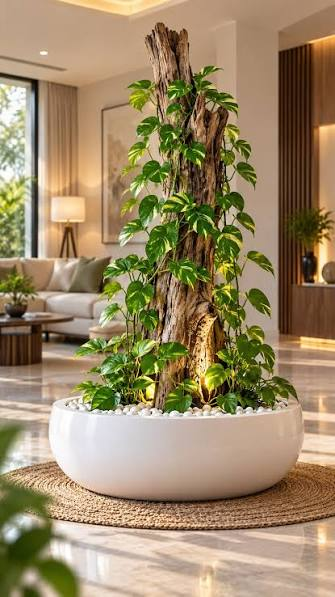
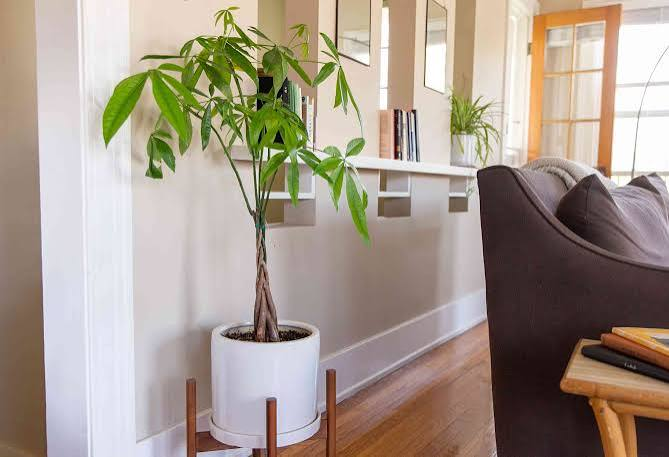
One of the most popular Feng Shui placements for a money plant is the wealth corner, traditionally associated with prosperity and abundance.
Using the common Bagua approach, you can identify the wealth area by standing at the main entrance of your home and looking inside. The far-left corner is traditionally considered the wealth area.
You can use the same approach to identify the corresponding area of an individual room, such as your bedroom or home office: stand at the entrance facing into the room and look toward the far-left corner.
Placing a healthy money plant here can be a meaningful way to incorporate the symbolism of growth, abundance, and financial prosperity into your space.
Remember, though, that Feng Shui placement is a traditional practice rather than a guarantee of financial results. The most important thing is to choose a location where your plant can genuinely thrive.
Frequently Asked Questions About Feng Shui Money Plants
[IMAGE: Close-up of several healthy money plants arranged in a bright home]
How long do money plants live?
It depends on the species. Some money plants, such as Jade Plants and Pilea, can live for many years with proper care. Money Trees and pothos can also thrive for years when given suitable light, water, and growing conditions.
Can money plants be used in any room?
Generally, yes—as long as the room provides the conditions the plant needs to stay healthy. Before choosing a location, consider light, temperature, humidity, and watering requirements.
From a Feng Shui perspective, money plants are commonly placed in offices, bedrooms, living spaces, and wealth areas.
Where should I place a money plant to attract wealth?
In traditional Feng Shui, the wealth corner is one of the most popular locations.
Using the common Bagua method, this is generally the far-left corner from the entrance when facing into the home. You can also place a money plant in your office or workspace as a symbolic reminder of career growth and abundance.
Are money plants safe around cats and other pets?
Not all money plants are pet-safe.
Several popular varieties, including Pothos, Jade Plants, Monstera, and Lucky Bamboo, can be toxic to cats or dogs. Always check the specific plant species before bringing it into a home with pets, and keep potentially toxic plants somewhere animals cannot reach them.
Do money plants really attract money?
Money plants are traditionally believed to symbolize wealth, prosperity, growth, and good fortune, particularly in Feng Shui and other cultural traditions.
However, there is no scientific evidence that a plant can directly attract money or change your finances. Their value is better understood through their symbolism and the positive, nature-filled environment they can help create.
How many money plants should I have?
There isn’t a universal number you must have.
You can choose one plant or several based on the size of your home and your personal preference. If you’re following Feng Shui traditions, some plants—such as Lucky Bamboo—have specific symbolism associated with different numbers of stalks.
Which money plant is best for Feng Shui?
There isn’t one universally “best” money plant.
Jade Plants, Pilea, Money Trees, Lucky Bamboo, Pothos, and Monstera are all popular choices, but each has different symbolism and care requirements.
The best money plant for your home is ultimately one that suits your space, fits your personal style, and that you can keep healthy and thriving.
Final Thoughts: Let Your Money Plant Symbolize Growth
[IMAGE: Beautiful sunlit interior with a thriving money plant as the focal point]
Money plants can be a beautiful way to combine Feng Shui symbolism, greenery, and interior style.
Whether you choose a coin-leafed Pilea, a traditional Money Tree, a lucky Lucky Bamboo arrangement, a steady-growing Jade Plant, or a trailing Pothos, each plant brings its own personality and meaning into your home.
And perhaps the most meaningful part isn’t whether a plant can literally attract money.
A thriving plant is a daily reminder of growth, patience, care, renewal, and abundance. You nurture it, give it what it needs, and watch it slowly become stronger. That idea of growth can be just as powerful as the symbolism attached to the plant itself.
So choose a money plant that speaks to you, find a spot where it can flourish, and let it become a small reminder of the abundance you want to cultivate in your life.
After all, creating an abundant home can start with something as simple as helping one small plant grow.