
What if the secret to steadier blood sugar isn’t eating less—but building a better lunch?
What you eat for lunch can influence how satisfied and energized you feel for the rest of the afternoon. Instead of building lunch around refined carbohydrates or sugary foods alone, a more balanced approach is to combine protein, fiber-rich foods, healthy fats, and sensible portions of carbohydrates.
The good news? Eating with blood sugar balance in mind doesn’t mean giving up delicious foods or turning every lunch into a bowl of plain vegetables.
These five lunch ideas—including an açaí bowl, chocolate chia pudding, baby frittatas, and crispy rice salmon salad—show how familiar favorites can be incorporated into a balanced weekly lunch routine.
Editor’s note: Everyone responds differently to food. These meal ideas are intended for general nutrition and are not a substitute for individualized medical advice, particularly if you have diabetes or take medication that affects blood glucose.
What Makes a Lunch Blood-Sugar Friendly?
A blood-sugar-conscious lunch isn’t necessarily one that contains the fewest carbohydrates.
Instead, think about what you put alongside those carbohydrates.
A meal containing protein, fiber, healthy fats, and minimally processed foods can be more satisfying than a lunch built primarily around refined carbohydrates or added sugars.
For example, instead of eating a bowl of sweetened fruit by itself, you might combine fruit with chia seeds, Greek yogurt, nuts, or another source of protein and fat.
The same principle can be applied to rice, toast, potatoes, grains, and other carbohydrate-containing foods.
1. Açaí Bowl With Fiber-Rich, Protein-Packed Toppings
Açaí bowls are colorful, refreshing, and packed with fruit, but there’s an important detail to remember: açaí doesn’t automatically make a bowl low in sugar or carbohydrates.
The final nutritional profile depends heavily on the ingredients used to make the base and the toppings added afterward.
How to Build a More Balanced Açaí Bowl
Start with an unsweetened açaí base when available, then add ingredients that make the bowl more satisfying.
Consider:
- Chia seeds
- Unsweetened Greek yogurt
- Nuts or nut butter
- Unsweetened coconut
- Fresh berries
- A modest amount of granola
- Cinnamon for extra flavor
The goal isn’t to eliminate fruit. Instead, pair carbohydrate-containing ingredients with protein, fiber, and healthy fats.
Açaí Bowl Ingredients to Watch
Some toppings can turn an otherwise nutrient-rich bowl into a much sweeter meal.
Keep an eye on:
- Honey
- Sweetened granola
- Syrups
- Sweetened nut butters
- Fruit juice
- Large portions of dried fruit
A small amount can go a long way.
Balanced Açaí Bowl

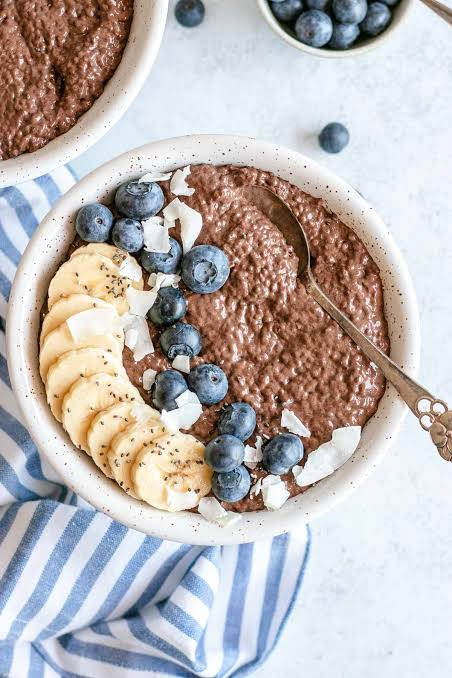
2. Chocolate Chia Seed Pudding for a Make-Ahead Lunch
Chocolate pudding for lunch sounds indulgent—but chia seeds can transform the idea into something much more substantial.
Chia seeds provide fiber and healthy fats, making them a useful ingredient when you’re looking for a filling make-ahead meal.
The trick is to pay attention to how much added sugar goes into the pudding.
How to Make Chocolate Chia Pudding More Balanced
Use unsweetened cocoa powder for chocolate flavor and let your toppings provide some natural sweetness.
You can pair your chia pudding with:
- Plain Greek yogurt
- Fresh berries
- Chopped walnuts or almonds
- Pumpkin seeds
- Chia or flax seeds
- A small amount of fresh fruit
This combination gives you more texture and nutritional variety than a sweetened chocolate dessert eaten on its own.
Why Chia Makes a Smart Lunch Ingredient
One reason chia works well in make-ahead meals is its fiber content.
Fiber-rich foods can help make meals more filling, while adding protein alongside them can further improve the overall balance of the meal.
And because chia pudding can be prepared the night before, it’s an easy option for busy weekdays.
Chocolate Chia Seed Pudding
3. Baby Frittatas: A Protein-Rich Lunch You Can Prepare Ahead
If you’re tired of lunches that leave you hungry again an hour later, don’t underestimate the humble egg.
Baby frittatas are particularly convenient because you can prepare several at once and keep them ready for busy weekdays.
Eggs provide protein, while vegetables can add fiber, volume, color, and important micronutrients.
What to Add to Your Frittatas
Try mixing in:
- Spinach
- Broccoli
- Bell peppers
- Mushrooms
- Tomatoes
- Onions
- Herbs
You can also serve your frittatas with avocado, leafy greens, or another vegetable-based side.
Don’t Forget the Carbohydrate
A blood-sugar-conscious lunch doesn’t have to be carbohydrate-free.
Depending on your individual nutritional needs, you could pair your frittatas with a modest serving of:
- Whole-grain toast
- Beans
- Sweet potato
- Quinoa
- Fresh fruit
The idea is to create a complete meal, rather than labeling individual foods as “good” or “bad.”Baby Frittatas
Baby Frittatas

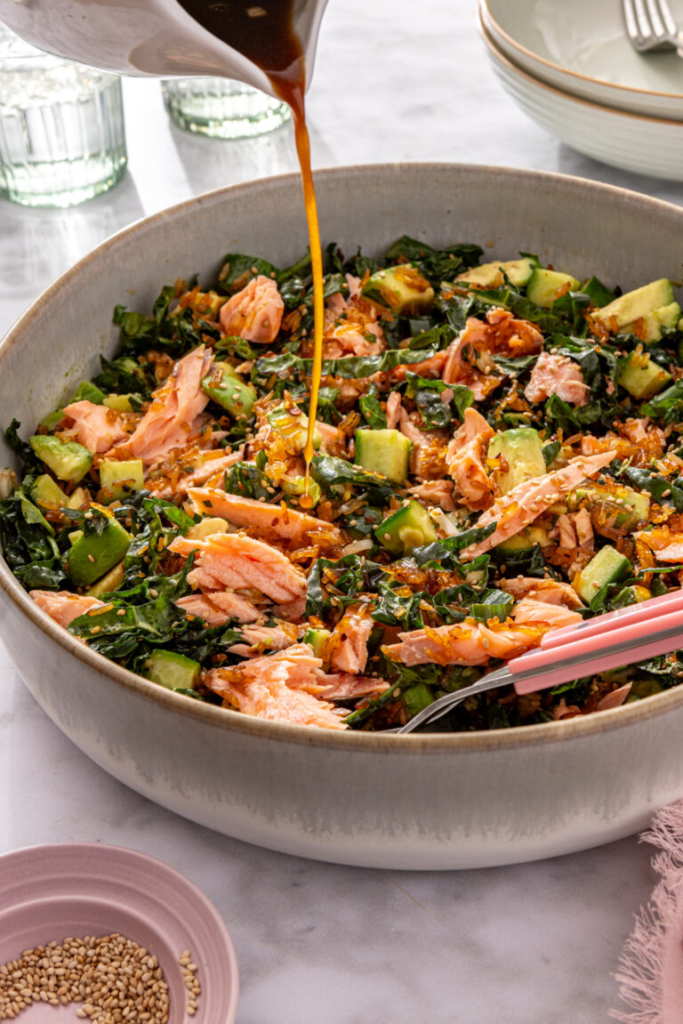
4. Crispy Rice Salmon Salad: A Satisfying Lunch Bowl
This may be the easiest lunch on the list to turn into a balanced meal.
You have several components working together:
Salmon: A source of protein and healthy fats.
Vegetables: Add fiber, color, crunch, and volume.
Rice: Provides carbohydrate and energy.
Dressing: Brings flavor and can contribute additional fats depending on the ingredients.
And then there’s the crispy rice—which brings something that healthy eating often forgets about:
Texture.
A meal doesn’t have to be boring to be nutritious.
You Don’t Have to Give Up Rice
One common mistake in blood-sugar-focused eating is assuming that every carbohydrate needs to disappear from the plate.
Rice can absolutely be part of a balanced lunch.
Instead of making rice the entire meal, combine an appropriate portion with protein, vegetables, and other nutrient-dense ingredients.
That creates a very different meal from a large bowl of plain white rice.
Easy Salmon Salad Additions
Try adding:
- Cucumber
- Avocado
- Edamame
- Leafy greens
- Shredded carrots
- Sesame seeds
- Spring onions
Keep dressings and sauces portioned appropriately, especially when they contain added sugar.
Crispy Rice Salmon Salad

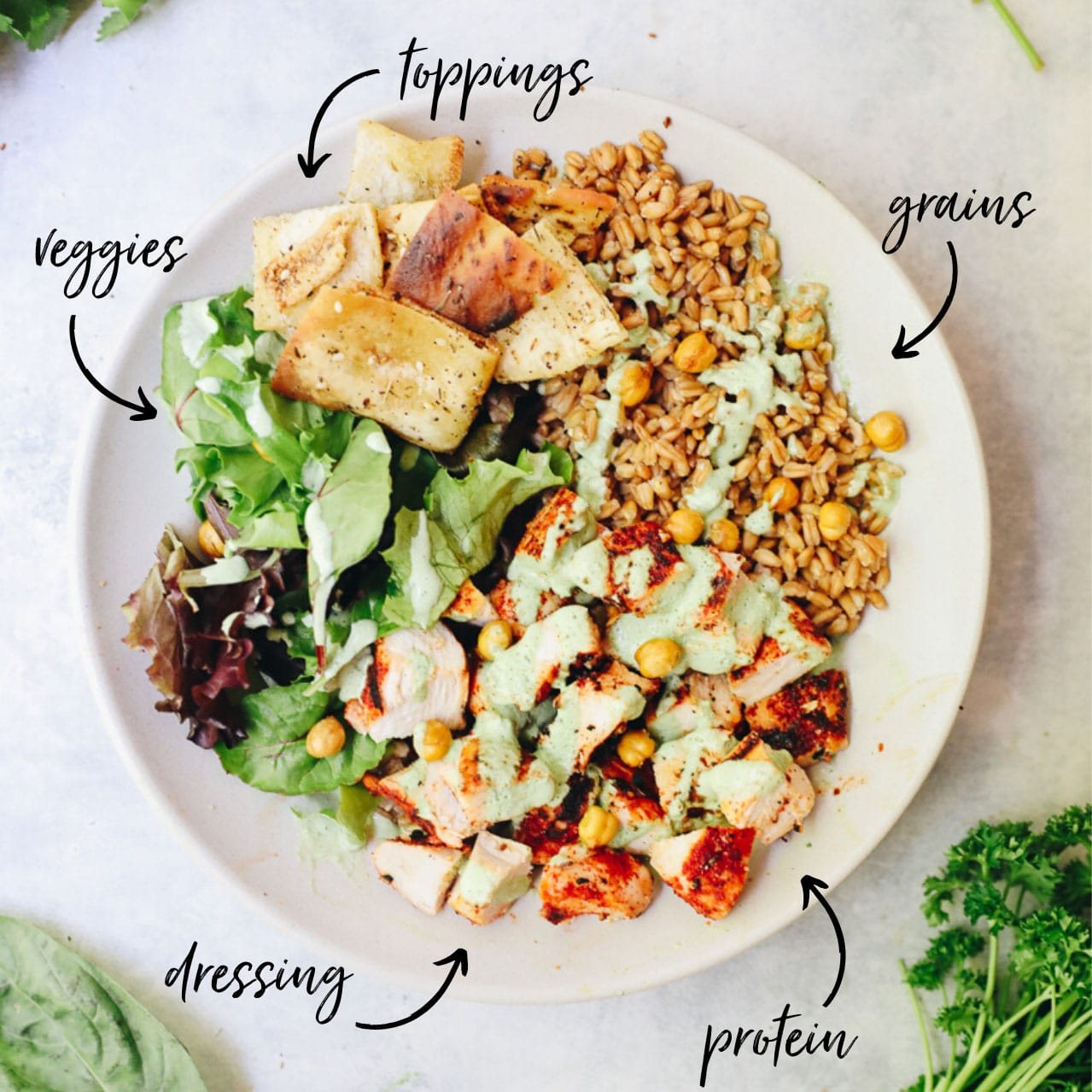
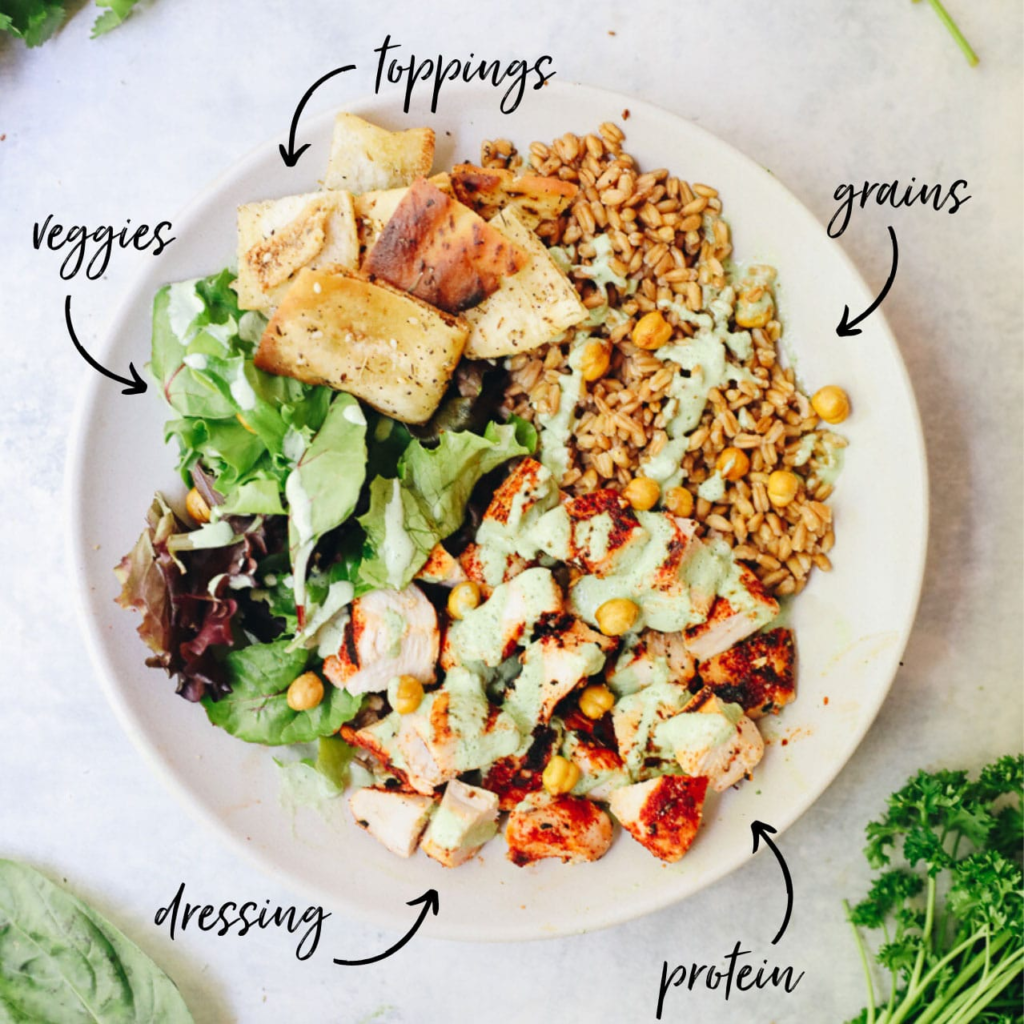
5. Build Your Own Balanced Lunch Bowl
Once you understand the basic formula, you don’t need a new recipe every day.
You can create dozens of lunches using the same basic structure.
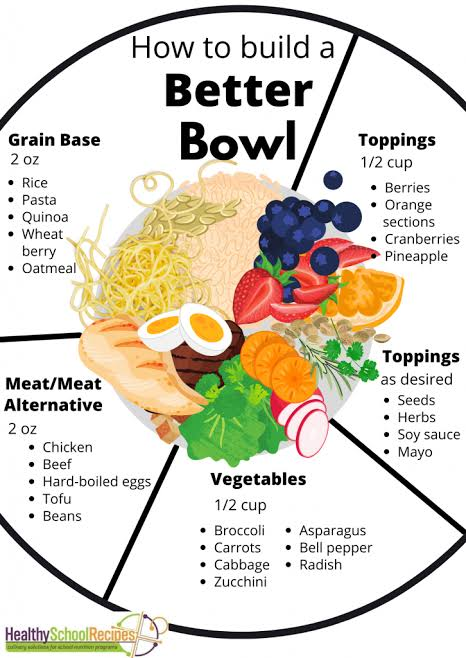
The 4-Part Lunch Formula
1. Start with protein
Choose salmon, eggs, chicken, tofu, beans, Greek yogurt, or another protein source.
2. Add plenty of vegetables
Think leafy greens, broccoli, cucumber, peppers, tomatoes, carrots, or roasted vegetables.
3. Choose your carbohydrate
Depending on your needs, this could be rice, quinoa, beans, sweet potato, whole grains, or fruit.
4. Add healthy fats
Avocado, nuts, seeds, olive oil, or a suitable dressing can make the meal more satisfying.
Three Easy Combinations
Salmon Bowl:
Salmon + greens + cucumber + rice + avocado
Egg Bowl:
Eggs + spinach + roasted vegetables + sweet potato + seeds
Mediterranean Bowl:
Chicken or beans + salad vegetables + quinoa + hummus + olive oil
This approach gives you flexibility without requiring you to follow a rigid meal plan.
Build-Your-Own Lunch Bowl
How to Keep Blood Sugar Steadier After Lunch
The food on your plate matters, but your overall routine matters too.
Pair Carbohydrates With Protein and Fiber
Rather than eating carbohydrate-rich foods by themselves, combine them with protein and fiber-rich foods.
For example:
Instead of: sweetened cereal alone
Try: Greek yogurt + berries + chia seeds + a small portion of whole-grain cereal.
Pay Attention to Added Sugars
“Healthy” foods can still contain substantial added sugar.
Granola, flavored yogurt, sweetened drinks, sauces, syrups, and desserts can add up quickly.
Check labels when you’re unsure.
Choose Water More Often
Sugary drinks can add carbohydrates without providing the same fullness as a solid meal.
Water, sparkling water, or unsweetened beverages can be simple alternatives.
Don’t Chase the Lowest-Carb Meal
The goal isn’t necessarily to eat as few carbohydrates as possible.
A more sustainable approach is to focus on meal quality, portions, protein, fiber, and overall dietary pattern.
If you have diabetes, your ideal carbohydrate intake may be highly individual, so your healthcare professional or registered dietitian can help you determine what works for you.
Can a Blood-Sugar Supplement Be Added to a Healthy Lunch Routine?
Food should remain the foundation of your routine.
However, some readers may also be interested in dietary supplements marketed to support healthy glucose metabolism.
One product you may come across is BloodArmor, which is marketed as a blood-sugar-support supplement containing ingredients including berberine, Gymnema sylvestre, cinnamon bark, bitter melon, chromium picolinate, and banaba leaf extract.
A Professional Note Before Considering BloodArmor
BloodArmor’s manufacturer markets the product for healthy blood sugar and glucose metabolism and promotes benefits related to energy and daily vitality. Those are manufacturer claims, however, and shouldn’t be treated as established medical outcomes.
The broader evidence on dietary supplements for diabetes management is mixed. The National Center for Complementary and Integrative Health notes that some individual ingredients have been studied, but overall evidence is not strong enough to conclude that dietary supplements can manage or prevent type 2 diabetes.
The American Diabetes Association likewise states that supplements are not proven to be an effective option for lowering blood glucose or managing diabetes in people without an underlying deficiency. It also notes that supplements can interact with medications.
Why Some Readers May Consider BloodArmor

If you’re already following a balanced eating pattern and are interested in an additional supplement, BloodArmor may be something to discuss with your healthcare professional.
Its advertised formula includes several ingredients that have been researched individually for glucose-related outcomes, although evidence varies considerably by ingredient, dose, formulation, and population.
The important distinction: a supplement should complement healthy habits—not replace them.
It should never be used as a substitute for prescribed diabetes medication, medical care, a balanced diet, or physical activity.
BloodArmor Product

Affiliate disclosure: This section contains an affiliate recommendation. If you purchase through our link, we may earn a commission at no additional cost to you. We only recommend that readers consider products carefully and discuss supplements with a qualified healthcare professional when appropriate.
A Simple 5-Day Blood-Sugar-Conscious Lunch Plan
You don’t need five complicated recipes to eat well throughout the week.
| Day | Lunch Idea | Balance Focus |
|---|---|---|
| Monday | Chocolate chia pudding + Greek yogurt + berries + nuts | Fiber + protein + healthy fats |
| Tuesday | Baby frittatas + avocado + vegetables | Protein + vegetables + healthy fats |
| Wednesday | Crispy rice salmon salad | Protein + vegetables + balanced carbohydrate |
| Thursday | Açaí bowl + chia + Greek yogurt + nuts | Fiber + protein + controlled sweetness |
| Friday | Build-your-own lunch bowl | Flexible whole-food combination |
The best lunch is often the one you’ll actually enjoy eating consistently.
What to Prep on Sunday for Easier Weekday Lunches
A little preparation can make balanced eating dramatically easier.
Try this simple prep routine:
1. Prepare your protein.
Cook salmon, chicken, eggs, or another protein source.
2. Wash and chop vegetables.
Keep them ready for salads and bowls.
3. Prepare chia pudding.
Make individual portions so they’re ready to grab.
4. Bake your frittatas.
Store portions for quick lunches.
5. Cook your grain.
Prepare rice, quinoa, or another preferred carbohydrate.
6. Portion toppings.
Pre-measure nuts, seeds, granola, and other calorie-dense toppings.
7. Keep dressings separate.
This helps preserve texture and makes portions easier to manage.
With these basics prepared, putting together lunch can take only a few minutes.
Frequently Asked Questions
1. What is the best lunch for keeping blood sugar steady?
There isn’t one universally best lunch. A meal containing protein, fiber-rich foods, healthy fats, and an appropriate portion of carbohydrates can be a useful framework. Individual responses vary.
2. Can I eat rice if I’m watching my blood sugar?
Yes. You don’t necessarily need to eliminate rice. Portion size and what you eat alongside it can matter. Pairing rice with protein, vegetables, and other nutrient-dense foods can create a more balanced meal.
3. Are açaí bowls good for blood sugar?
They can be part of a balanced diet, but it depends on the ingredients. Sweetened açaí bases, granola, honey, syrups, and large portions of fruit can substantially increase the carbohydrate and sugar content.
4. Can BloodArmor replace diabetes medication?
No. A dietary supplement should not replace prescribed diabetes medication or medical care. The ADA and NCCIH recommend discussing supplements with a healthcare professional because some can interact with medications and evidence for diabetes management is limited.
Conclusion: Build a Better Lunch, Not a More Restrictive One
Keeping blood sugar in mind doesn’t mean turning lunch into a punishment.
It means learning how to combine foods intelligently.
Açaí bowls can become more balanced with protein-rich and fiber-rich toppings. Chia pudding can be transformed into a satisfying make-ahead meal. Baby frittatas offer a convenient protein-rich option, while crispy rice salmon salad shows that carbohydrates such as rice can still have a place on a balanced plate.
And once you understand the basic formula—protein + fiber-rich foods + healthy fats + sensible carbohydrates—you can create countless lunches without following a rigid meal plan.
If you’re considering adding a supplement such as BloodArmor, treat it as an optional part of the conversation rather than the foundation of your blood-sugar strategy. Evidence for supplements varies, and anyone taking glucose-lowering medication should speak with their healthcare professional before adding one.
The simplest goal is also one of the most sustainable:
Build lunches that are nutritious, satisfying, enjoyable, and realistic enough to keep making week after week.